
Putting a value on vacant land can feel less straightforward than pricing a property with a home already on it. Two parcels in the same area may contain similar acreage yet attract very different prices because buyers also care about how they can access and use the property. Landowners therefore need more than a nearby sale or a single price-per-acre figure to form realistic expectations.
You can complete much of the initial research yourself using recent sales and information about your parcel. These simple ways to determine what vacant land is worth can help you identify useful comparisons and develop a preliminary value range before deciding whether to sell.
Find Recent Vacant Land Sales in Your Area
Start with completed sales of vacant land near your property. Search county property or deed records for recent transactions, and check real estate websites that display sold land. A local real estate professional may also help you locate sales that do not appear readily in your own search.
Record the acreage and final sale price for each property that looks relevant. Note when the transaction occurred as well, since an older sale may reflect different market conditions. You can eliminate properties in substantially different locations or those that differ significantly in size before spending time on a closer comparison.
The remaining sales give you a starting pool, not an immediate answer. You still need to determine which properties resemble yours closely enough to provide useful pricing evidence.
Calculate the Price Per Acre
For each relevant sale, divide the final sale price by the parcel total acreage, so if a 10-acre property sold for $150,000, its price per acre was $15,000. Calculate the same figure for the other sales you found and compare the results. You may find a fairly narrow range, or the numbers may differ considerably. A wide range signals that acreage alone does not explain what buyers paid.
Resist multiplying your acreage by the highest figure and treating the result as your property’s value. First, compare the characteristics of your parcel with the properties behind those numbers. That comparison can reveal which sales deserve the most weight.
Check How Buyers Can Access Your Property
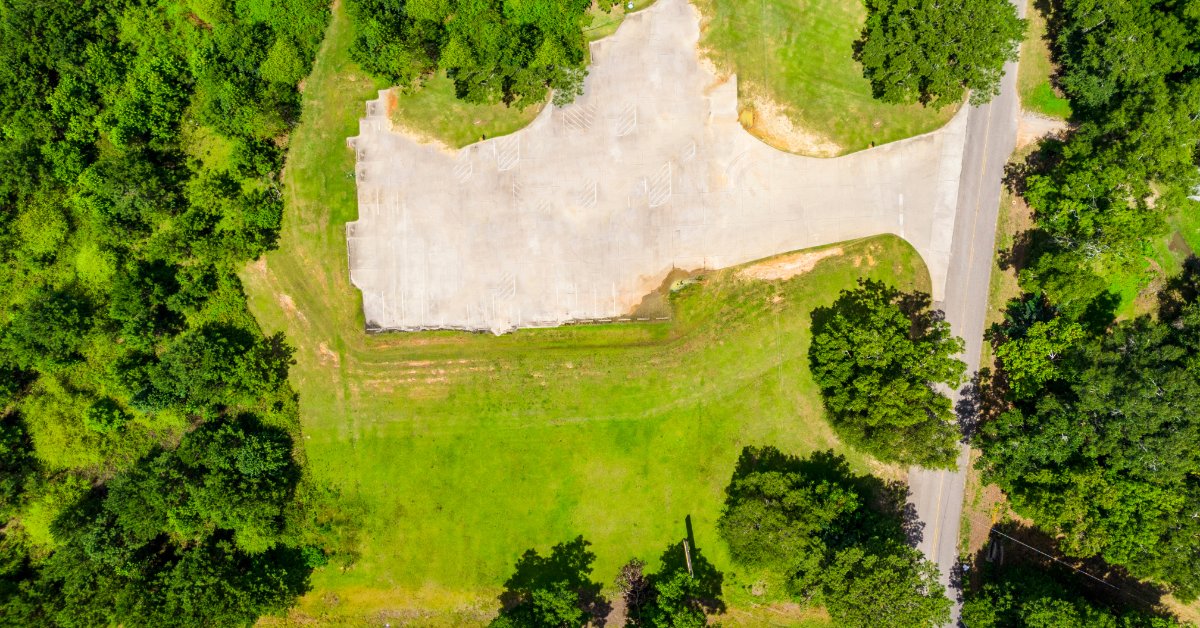
Access can separate two otherwise similar parcels, so determine exactly how someone reaches yours. Check your deed and any survey you have for road frontage or recorded access information. County parcel maps can also help you see how the property relates to nearby roads.
Determine whether your land directly fronts a public road or uses another form of access. If a private road crosses neighboring property, check your records for an easement instead of assuming that physical access guarantees a legal right to use the route.
Apply the same questions to your comparable sales whenever the available records provide enough information. A sale with direct public-road frontage may offer a weaker benchmark when your property depends on private access.
Determine How Much of the Land Is Usable
Total acreage tells you the size of a parcel but not how its physical characteristics may affect its potential use. Review a property map or survey alongside available topographic information to understand the shape and elevation changes across your land.
Look for sections with substantial slopes and areas that may prove difficult to reach. Also consider whether a future owner could readily use a meaningful portion of the acreage for the type of activity that local rules permit. When a higher-priced parcel contains more readily usable ground than yours, its price may not provide the strongest benchmark. Give more attention to properties with terrain that resembles your own.
Find Out Which Utilities Reach the Property
Next, establish which services currently reach your parcel or the immediate area. You can contact the local electric provider to ask about existing service near the property. Your local government or utility provider can tell you whether public water or sewer serves the location.
For land outside public water or sewer service areas, review any existing records for a well or septic system. Previous site evaluations may also contain useful information. Do not assume that your property has the same utility options as a neighboring parcel without confirming them.
Confirm Current Land-Use Information
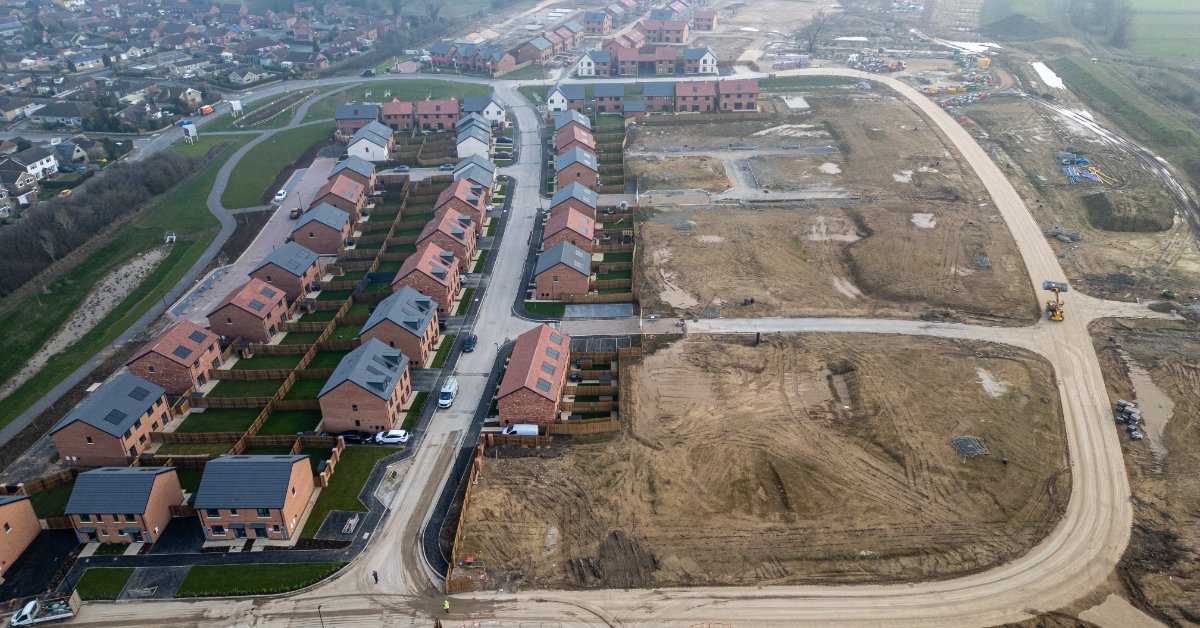
Check the property’s current zoning or land-use designation through the appropriate local planning department. Review the uses that the current designation permits, so you can avoid comparing your property with land intended for a substantially different purpose.
You should also review the property documents available to you for easements or recorded restrictions that could affect use. When you find a limitation, account for that difference when selecting comparable sales instead of trying to calculate a specific dollar deduction yourself.
A parcel that supports a different use may have attracted a different type of buyer. Removing those mismatched sales can make your remaining price range more relevant to your property.
Compare Your Property With the Strongest Sales
With the basic property research complete, return to your pool of recent sales. Compare each one with your parcel using the same criteria:
- Final sale price and price per acre
- Acreage and usable ground
- Type of property access
- Terrain
- Utility availability
- Current permitted use
- Known restrictions
You do not need every characteristic to match. Focus on the sales that share the most important similarities with your land, and give less weight to properties with advantages yours does not share. The goal is to narrow your research to the sales that provide the most credible reference points, not to assign an arbitrary dollar adjustment to every difference.
Use Assessments and Online Estimates Carefully
After establishing a range from comparable sales, check the assessed value in your property records. Compare the figure with your research, but do not assume that the assessment represents the amount a buyer would offer.
You can treat an online property estimate the same way. Check whether the tool uses the correct acreage and other basic parcel information. If its estimate differs sharply from the range supported by your comparable sales, investigate the discrepancy before relying on it.
Decide Whether You Need an Appraisal
Your research may produce a useful preliminary range when several recent sales closely resemble your property. That range can give you enough context to decide whether selling warrants further consideration without requiring you to settle on one exact figure.
Consider hiring a professional appraiser when you cannot find strong comparable sales or when unusual property characteristics make comparisons difficult. An independent appraisal may also make sense when a financial or legal matter requires a formal opinion of value.
Know What Your Estimate Means Before Selling
After working through these ways to determine what vacant land is worth, you should have a supported range instead of a price based only on acreage or a nearby sale. Use that range as a decision-making reference while you consider whether to seek a formal valuation or speak with a potential buyer.
At Waterfront Group, we work directly with property owners through our land acquisition services to evaluate land that may fit our development plans. If you are considering a direct sale, contact us to share information about your property and discuss whether it may fit our acquisition needs.