
Land attracts acquisition interest when it offers a clear and practical path toward development, supported by characteristics that allow the property to move forward without unnecessary obstacles. In that context, what makes land attractive for acquisition and development depends on how well the property can transition from its current condition into a usable, build-ready site.
Buyers evaluating land for development prioritize how the property functions in real conditions, examining how it connects to surrounding areas and whether it can support construction without introducing unnecessary complexity. By focusing on usability instead of acreage alone, they can better assess how efficiently the land will perform once development begins.
Location Connects Land to Real Demand
Location carries weight because it determines how the property fits into existing patterns of growth and use. Land near expanding towns or major travel routes draws stronger interest because buyers can connect it to existing demand instead of relying on uncertain future growth.
Proximity to known destinations, such as the Blue Ridge Mountains or Lake Norman, gives the land a clearer identity within the market. Buyers can evaluate how future residents might use the property, which makes it easier to define its purpose and justify acquisition. In many cases, nearby development activity signals whether demand is likely to remain steady, which adds another layer of confidence during evaluation.
How Land Layout Determines Usability
Natural features shape how people experience the land after development, as water access, wooded areas, and views enhance a property’s appeal when they support its intended use. A property with a balanced layout allows developers to plan without working around avoidable constraints.
Irregular boundaries or narrow sections limit how developers divide the land, which can reduce efficiency during planning. When the layout supports straightforward design, developers can move from concept to execution with fewer adjustments and a clearer understanding of how each portion of the land will function.
Terrain Directs Buildability
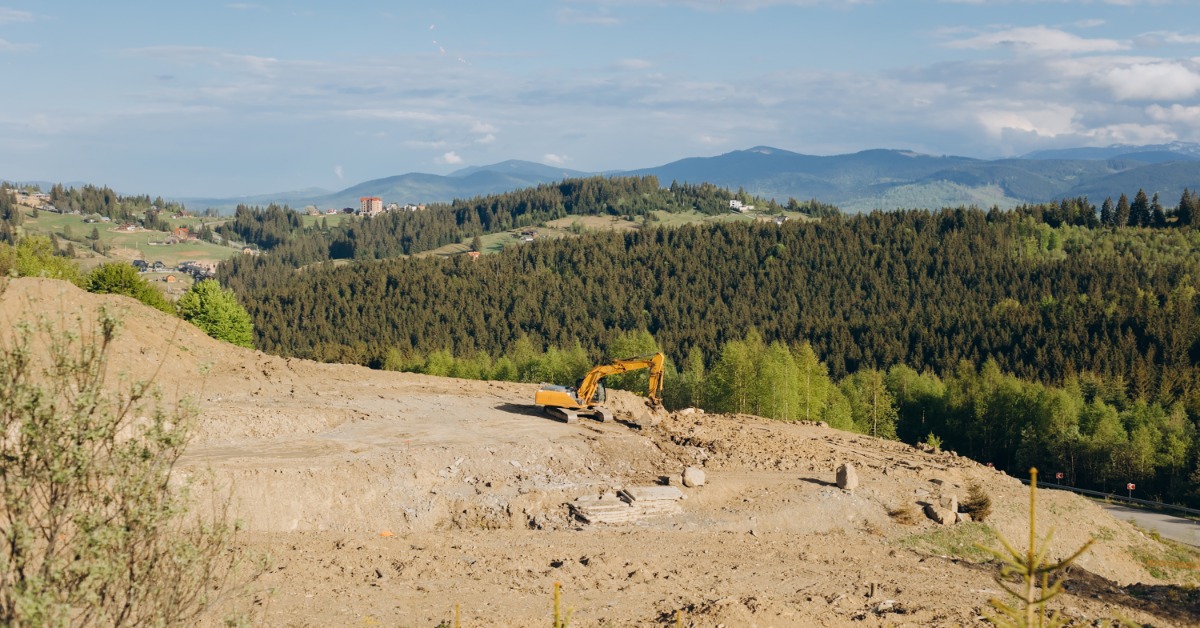
Terrain determines where construction can take place and how much preparation the site requires before work begins. Gentle slopes or stable ground allow development to proceed with fewer modifications, while steep or uneven areas introduce additional planning challenges.
Buyers study elevation changes and soil conditions to understand how the land will perform once construction begins. When the terrain aligns with intended use, development becomes more predictable and easier to manage, which reduces uncertainty during early planning stages.
Access Shapes Day-to-Day Practicality
Access affects how the property functions long before construction begins, since it determines how people and materials reach the site. Buyers look for reliable entry points that connect directly to established roads, allowing consistent use without relying on temporary solutions.
Limited or unclear access can delay development or require additional coordination, especially when improvements depend on outside approvals. Strong access simplifies both the development phase and the long-term use of the property, which makes it a defining factor during acquisition decisions.
Infrastructure Determines Readiness
Available utilities influence whether land can support development without extensive preliminary work. Buyers assess how close the property sits to existing service lines and determine whether they can connect utilities without significant extension.
A site that already connects to essential utilities allows developers to focus on design and construction, while a site without access requires additional planning that can affect timelines and cost. Infrastructure readiness separates properties that can move forward quickly from those that require extended preparation.
Zoning Sets the Direction for Development
Local zoning laws determine what you can build and how you can use the property, which leads buyers to review them early. A property that aligns with intended use allows development to proceed without major changes, while mismatched zoning introduces additional steps that can slow progress.
Buyers consider how current regulations support their plans and whether adjustments would be necessary to achieve the desired outcome. When zoning supports the intended direction, the acquisition process becomes more straightforward and less dependent on external approvals.
Environmental Features Can Strengthen or Limit Use
Natural features shape how people experience the land after development, as water access, wooded areas, and views increase a property’s appeal when buyers can use them as part of the design.
Environmental protections can limit what buyers can alter on the land, which directly affects how they develop the property. Buyers evaluate how these features interact with the plan, focusing on whether they support or restrict the property’s potential in practical terms.
Market Context Shapes Acquisition Decisions
Buyers evaluate land within the context of the surrounding market, since demand determines how the finished development will perform. Regions with steady population growth or consistent interest supports stronger acquisition activity.
Buyers review nearby projects to see how similar properties have performed, which allows them to assess whether the land fits the current demand. When the property aligns with broader market conditions, it becomes easier to justify moving forward and commit resources to development.
Constraints Must Remain Manageable
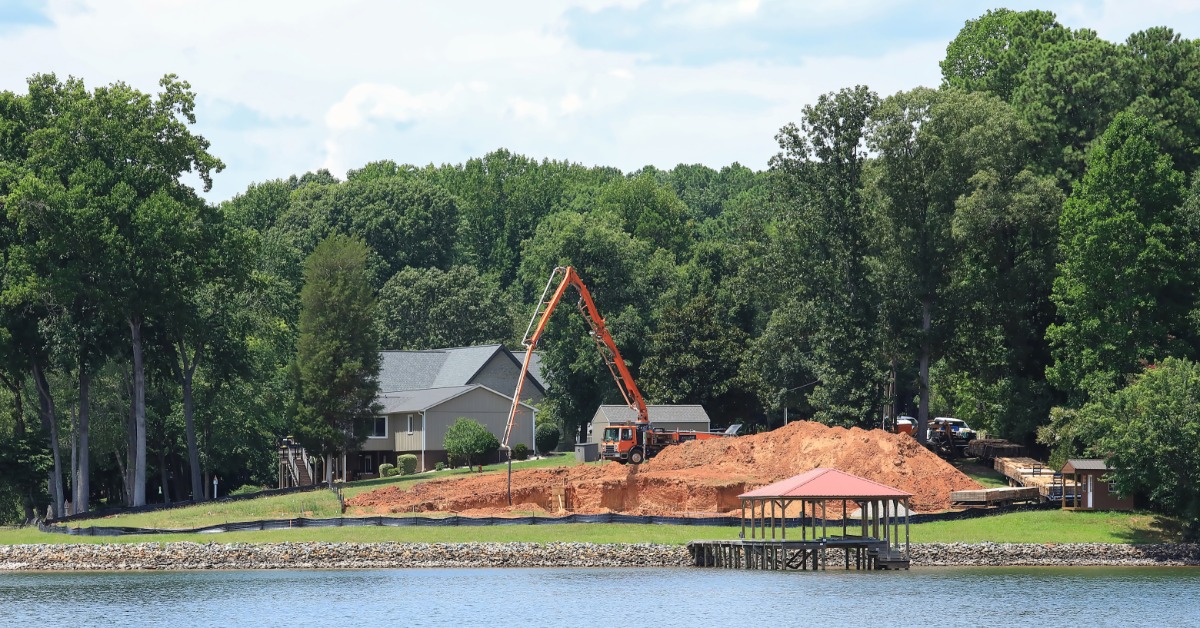
Every parcel presents some level of challenge, but the nature of those challenges determines whether the land remains viable. Buyers examine how each constraint affects development and determine whether they can address it without creating disproportionate cost or delay.
A property that requires adjustment can still attract interest if those adjustments remain practical. When constraints outweigh potential benefits, buyers may shift focus toward properties that offer a more direct path to development.
Clear Potential Drives Acquisition Interest
Developers recognize land as more valuable when they can clearly define its development path without relying on assumptions. Buyers look for properties with clearly defined next steps so they can move forward with confidence and a clear understanding of what comes next.
Clarity comes from how well the property’s characteristics align with its intended use. When access, layout, and regulatory factors support the same outcome, the land becomes easier to evaluate and position for development within a competitive market.
A Practical View of Land Acquisition
Land draws serious acquisition interest when it can move from evaluation to development without unnecessary uncertainty or rework. A clear view of what drives acquisition and development appeal allows buyers and sellers to approach the process with more defined expectations and stronger decision-making.
For those pursuing land acquisition for development, Waterfront Group evaluates properties based on how they function in real conditions and how they can support well-planned communities. By focusing on land that aligns with practical use and long-term demand, buyers can move forward with greater clarity while sellers gain a more accurate view of how their property fits into development opportunities.