
A wooded hillside with mountain views or an open clearing surrounded by nature can make rural land an appealing place to build a home. However, the property’s natural beauty is only one part of determining whether it can accommodate your plans. Soil conditions deserve careful consideration, particularly when the land requires an onsite septic system.
Knowing how soil perc tests affect your rural build plans can help you evaluate a property’s suitability before making a purchase. These tests provide valuable information about the soil’s ability to absorb wastewater, which can influence your septic system options and where you can build your home.
Understand What a Soil Perc Test Measures
Before a septic system can release treated wastewater into the ground, the surrounding soil must provide suitable conditions for absorption and treatment. A percolation test, commonly called a perc test, measures how quickly water moves through soil under specified testing conditions.
During a conventional test, a qualified professional measures how quickly water drops in prepared holes. The results determine whether the soil’s drainage characteristics meet applicable requirements for an onsite wastewater system.
However, a favorable drainage rate does not guarantee septic approval. Local authorities may also evaluate soil depth and groundwater conditions. Some jurisdictions rely on comprehensive soil evaluations, so buyers should confirm which procedures apply.
Find Out Whether the Property Needs a Septic System
For rural parcels beyond public sewer service, an onsite wastewater system may be essential to building a home. Before scheduling soil testing, contact the local utility provider to determine whether a sewer connection is available.
If the land requires an onsite system, the local environmental health department can explain the evaluation and permitting process. Requirements vary by jurisdiction, and the department may direct you to an approved soil evaluator or septic designer.
Recognize How Soil Conditions Affect Septic Suitability
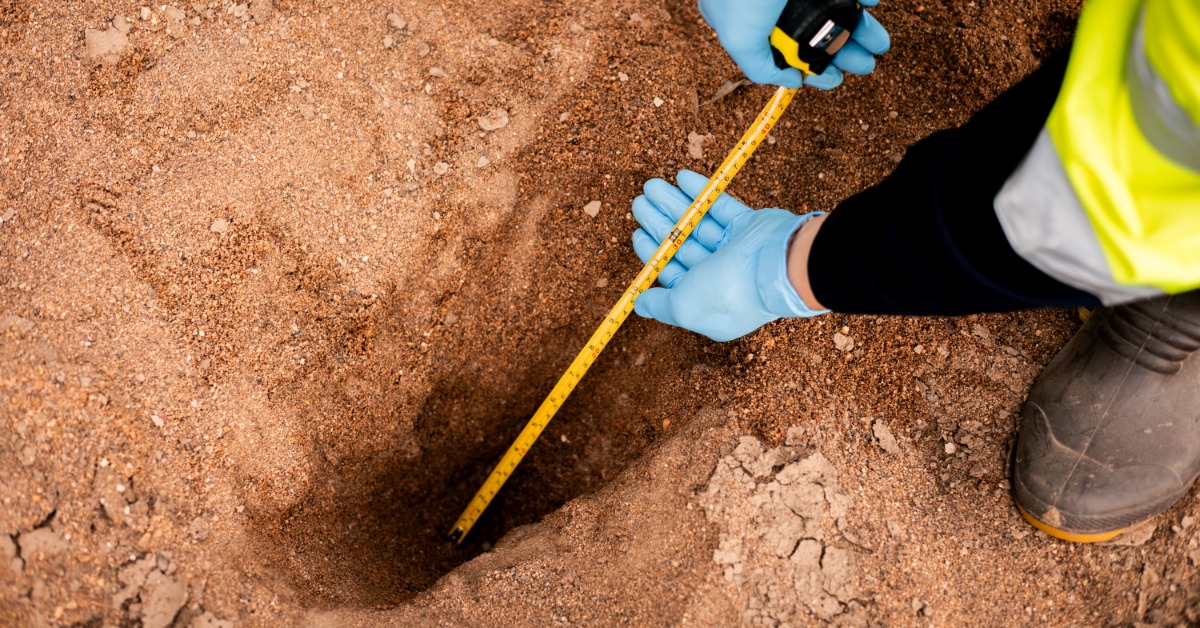
Two parcels with similar scenery can have very different conditions beneath the surface. Even within one property, soil composition may change enough to affect where a septic drainfield can function.
Sandy soil often allows water to move through relatively quickly, while dense clay may slow absorption. Neither condition automatically determines whether the land will pass an evaluation. Wastewater must move through suitable soil at a rate that supports effective treatment.
See How Perc Results Influence Your Homesite
A rural lot may have plenty of acreage without offering unlimited choices for construction. The location of suitable soil can influence where you place the septic drainfield, which affects the space available for your home. Local regulations also establish minimum distances between septic components and features such as wells or property boundaries.
Imagine finding a wooded property with a clearing overlooking the mountains. Although you may envision building there, a soil evaluation could identify the most suitable septic area nearby, requiring you to reconsider the home’s location. This could mean moving the house farther from the clearing or reconsidering where to place a driveway.
Before finalizing your homesite, work with a qualified septic designer to compare the proposed house location with the suitable drainfield area. Identifying potential conflicts early gives you more flexibility to adjust your plans before construction begins.
Account for Replacement Drainfield Requirements
Depending on local regulations, a property may need suitable land for a future replacement drainfield in addition to its initial septic installation. This requirement can reduce the space available for other improvements.
If the jurisdiction requires replacement space, ask the septic professional to identify both areas on a preliminary site plan. Understanding their locations before buying can help you avoid placing future improvements where the property needs suitable soil.
Understand Your Options After an Unfavorable Perc Test
An unfavorable soil evaluation does not necessarily eliminate the possibility of building, although it may rule out a conventional septic design in the proposed location. When conventional septic installation is not feasible, local regulations may allow an alternative wastewater treatment system.
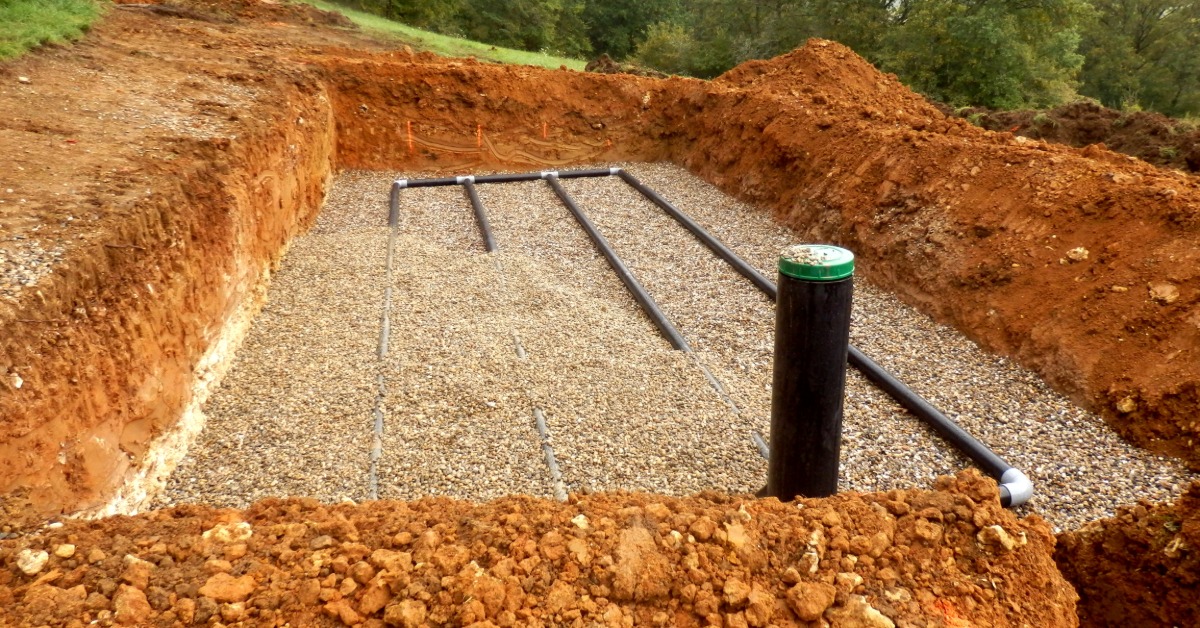
Some sites may support engineered wastewater systems that use additional treatment equipment or specialized distribution methods. These alternatives can accommodate certain challenging conditions but may require more extensive design work and maintenance.
Before treating an alternative system as a solution, consult the local permitting authority and a qualified designer. They can determine whether the property’s limitations leave a feasible path toward approval.
Consider Septic Costs Before Choosing a Property
A rural parcel with a lower asking price may not offer better overall value if its soil conditions require a more expensive wastewater system. Installation costs depend on the approved design and the work necessary to complete it.
When soil evaluations identify complications, request a preliminary assessment from a local septic contractor or designer. Although a reliable estimate may require additional testing, early findings can help you identify expenses worth investigating.
Schedule Testing Before You Commit to the Land
Investigating septic feasibility before purchasing rural land gives you an opportunity to identify potential limitations while you can still reconsider the purchase. Waiting until after closing could leave you with property that requires substantial changes to your building plans.
If the seller has previous soil reports or septic approvals, request copies and ask the local permitting office whether they remain applicable. A report for a smaller proposed home may not provide sufficient information for a design with greater wastewater demands. Weather conditions or local procedures may also affect testing schedules, so account for potential delays when establishing your due diligence period.
Work with your real estate or legal professional to establish purchase terms that allow enough time to investigate septic suitability before closing.
Use the Results to Compare Rural Properties
When comparing rural properties, consider how easily each parcel could accommodate your intended home and septic system. The most appealing lot may not offer the most practical building conditions, so use the findings from soil evaluations to assess each property’s development potential.
As you compare potential homesites, investigate:
- Whether local authorities have approved a suitable septic area
- Which wastewater systems the soil may support
- How the septic area affects your preferred house location
- Whether regulations require a replacement drainfield
- What additional evaluations or permits remain necessary
A smaller lot with suitable soil in a convenient location may offer greater flexibility than a larger parcel with limited septic options. For buyers considering buying properties from real estate management professionals or established developers, available property documentation can provide a starting point.
Plan Your Rural Home With the Soil in Mind
Understanding how soil perc tests affect your rural build plans helps you look beyond a property’s scenery and consider how its conditions will influence construction. Investigating septic suitability before buying can help you choose land that better accommodates your intended homesite and anticipated development expenses.
At Waterfront Group, we offer distinctive properties and communities for buyers envisioning a mountain retreat or future residence. Browse our available properties and contact us to discuss the setting you have in mind for your new home.