
Electrical service can look deceptively simple when vacant land sits near utility poles or neighboring homes. Yet nearby power does not reveal where the property can connect or what it will take to reach a future homesite. Depending on the parcel, that work can add costs that are not apparent when you first walk the land.
A longer line extension or difficult route can increase the work required before construction begins. Investigating what are the hidden costs of running power to land before buying can help you identify potential expenses and make a more informed comparison between properties.
Start With the Utility That Serves the Property
Identify the electric utility or cooperative that serves the parcel before estimating the cost yourself. Contact the provider with the property address or parcel information and explain that you are considering new residential service.
Ask where the nearest available connection point is and whether the existing infrastructure can accommodate the service you expect to need. The pole closest to the property may not necessarily provide the connection the utility would use.
Find out what information the utility needs to prepare an estimate. Providing details about your proposed homesite can help the provider evaluate the service request more accurately.
Measure the Distance to the Planned Homesite
Finding power near the road does not tell you how far electricity must travel across the property. Before estimating the extension yourself, have the utility identify the likely service route and its approximate length. You can then ask how the provider calculates charges associated with extending the line. Some utilities may include a certain amount of work under their new-service policies, while others may place more of the extension cost on the property owner.
Because the planned homesite determines how far power must travel across the property, its location can affect the scope of the extension. Moving the home to another suitable portion of the parcel may shorten the service route or simplify the installation, making this worth considering when you evaluate potential building locations.
Compare Overhead and Underground Power
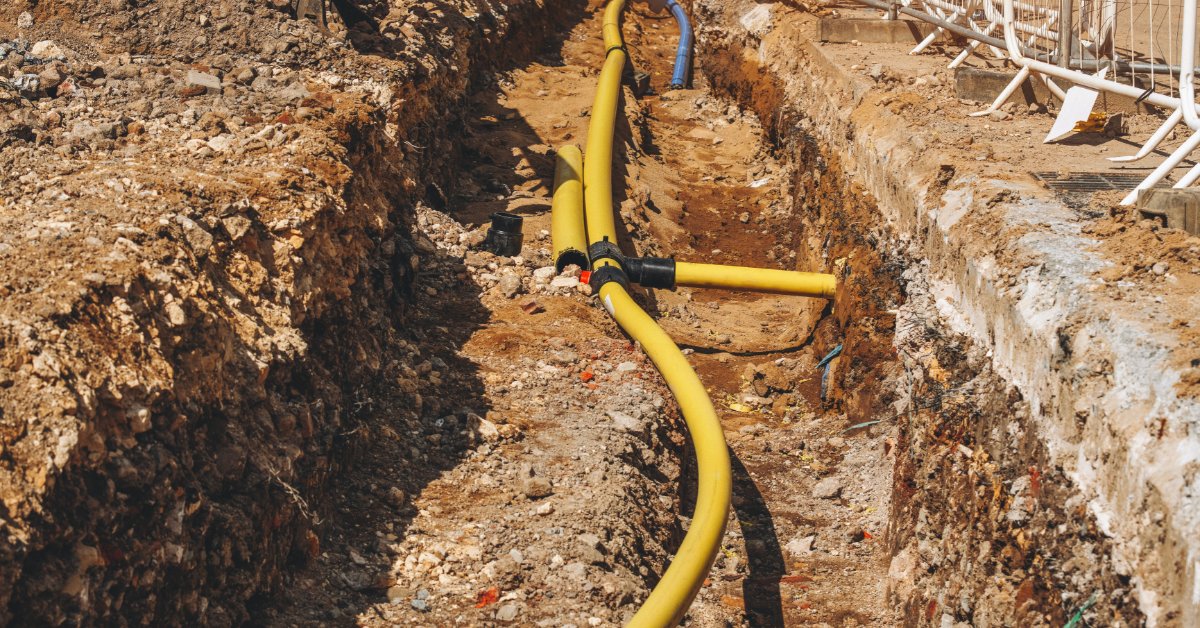
If the utility allows both overhead and underground service, ask for the requirements associated with each option. An overhead extension may need poles positioned between the existing system and the homesite, while underground service requires excavation to bury the necessary electrical infrastructure.
Before planning an underground installation, confirm which parts of the project the utility handles and which fall to the property owner. You may need to hire a separate contractor to prepare the route, so get the utility’s trench specifications before arranging any excavation.
Because underground installation depends partly on what crews encounter below and across the property, a simple per-foot estimate may not reflect the actual work involved. Rocky terrain, substantial grade changes, or other site obstacles can complicate excavation and make a property-specific estimate more useful.
Ask About Transformers and Other Equipment
Even after the utility determines how to extend power to the homesite, the existing system may not have all the equipment needed to provide the planned electrical service. A new transformer or other utility equipment could become part of the project.
Ask whether the utility includes any required equipment in its estimate or assigns a portion of the expense to the property owner. Knowing what the quoted price covers can help you avoid overlooking costs beyond the line extension itself.
Look at the Route Across the Property
On wooded properties, bringing electricity to the homesite may require clearing before installation can begin. The utility needs enough room for its crews and equipment to work along the proposed route, which can add separate site-preparation work to the project.
Before removing vegetation, have the provider identify its clearance requirements so you can prepare the route without clearing more of the property than necessary.
Where the proposed route crosses uneven or difficult ground, the most direct path may not offer crews the easiest access. Another route across the property could simplify the installation even if it covers more distance, which makes the utility’s evaluation more useful than choosing a path from a property map alone.
Confirm Whether the Route Requires an Easement
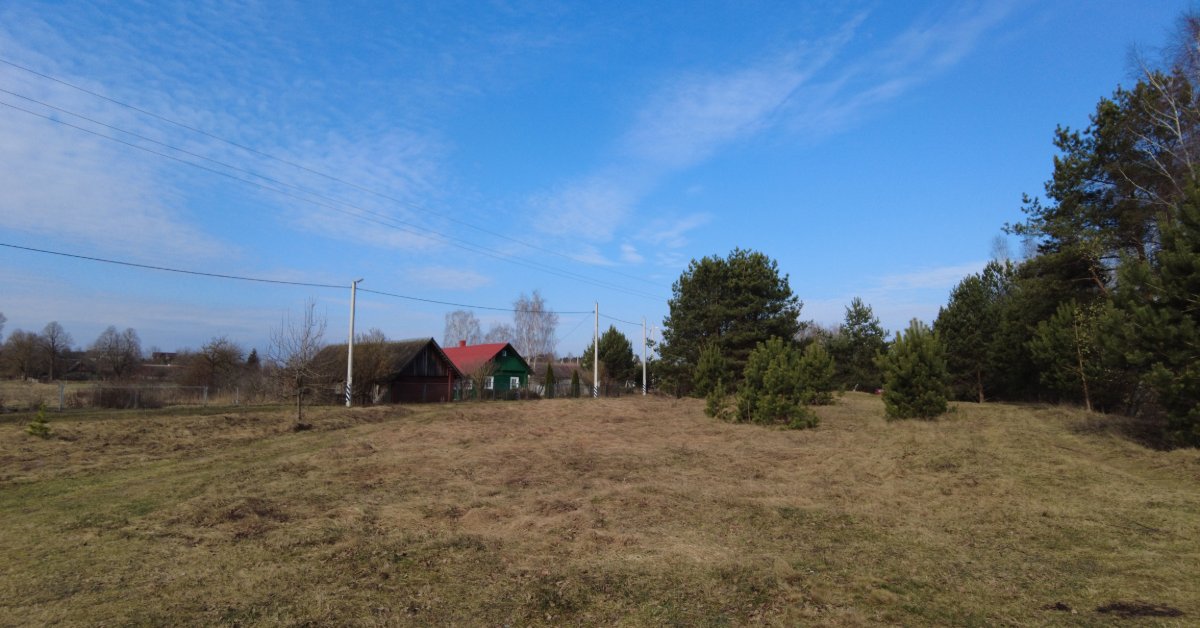
Even when a particular route appears to offer the easiest way to reach the homesite, the utility needs the appropriate rights to install and maintain infrastructure along that path. Existing easements can therefore influence where a new electrical line can run across or toward the property.
To determine whether the proposed route already has the necessary access, review any survey, deed, or other property documents available to you for utility easements. The provider can then confirm whether those easements accommodate the planned service or whether the project requires another arrangement.
Find Out Where the Utility’s Work Ends
A utility estimate may not include every expense required to bring usable electricity to a future home. Ask the provider to explain exactly which work its quote covers and where its responsibility ends.
You may need to arrange separate electrical work on the customer side of the connection. Instead of treating the utility’s estimate as the complete electrical budget, identify any work that you will need to coordinate independently.
Compare the Complete Power Requirements
Once you have information from the utility, compare more than the quoted connection price. Look at what each property would require to get power from the available service point to the intended homesite.
For each parcel you are seriously considering, note:
- Distance from the available connection to the homesite
- Overhead or underground installation requirements
- Utility equipment required for service
- Clearing or route preparation you must arrange
- Easement considerations along the proposed route
- Electrical work excluded from the utility’s estimate
This comparison can make an important difference when two properties initially appear similar. A parcel with a higher purchase price may require less electrical preparation, while a lower-priced property may leave you responsible for considerably more work before construction begins.
Research Power Before You Buy Vacant Land
The hidden costs of running power to land become easier to anticipate when you investigate the specific property instead of relying on nearby electrical infrastructure. Information from the serving utility can help you understand how much work may stand between the existing system and your future homesite.
When comparing land, consider those findings alongside the property characteristics that matter to your plans. If you are ready to buy waterfront property, Waterfront Group offers distinctive properties where you can plan a future retreat or residence. Contact us to discuss available land and find a property that fits what you hope to build.