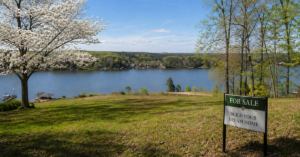
For many lakefront buyers, the appeal of living by the water includes being able to enjoy it without planning an outing every time. A private dock can make it easier to keep a boat nearby, spend an evening fishing, or simply sit closer to the water. When that kind of access shapes your vision for the property, dock eligibility deserves attention before you choose a homesite.
If you’re wondering if anyone can build a private boat dock on any lake, the answer is no. Waterfront ownership, and dock rights are not necessarily the same thing. Rules can vary among lakes and individual parcels, which makes the property’s shoreline rights the logical starting point before you consider the dock itself.
Start With What the Property Actually Includes
Before investigating permits or dock designs, determine where the private property ends and how it relates to the adjoining shoreline. A lakefront lot may reach the water, but another entity can control adjoining land or the lakebed, particularly around reservoirs and other managed bodies of water.
On federally managed lakes, private ownership next to the water may not provide unrestricted use of the adjoining public shoreline. The U.S. Army Corps of Engineers’ shoreline guidance for Table Rock Lake illustrates this distinction by explaining that ownership of adjacent private property does not grant exclusive rights to use government-owned land or the lake.
Establishing the property’s relationship to the shoreline gives you the foundation for the rest of your research. With that information in hand, you can determine which organization has authority over dock construction in that location.
Identify Who Regulates Dock Construction
Because shoreline oversight differs among bodies of water, buyers need to identify the authority responsible for the lake they are considering. Federal agencies manage some lakes and reservoirs, while state or local rules may control dock construction elsewhere.
The agency responsible for a particular body of water can explain which approvals apply to a proposed dock and where buyers should direct property-specific questions. For example, the Tennessee Valley Authority’s Section 26a regulations govern qualifying construction along the Tennessee River system, including certain private water-use facilities.
Identifying the appropriate authority early keeps the property search focused on reliable information. Once you understand who establishes the rules, the next question becomes whether the parcel itself qualifies.
Determine Whether the Individual Lot Qualifies
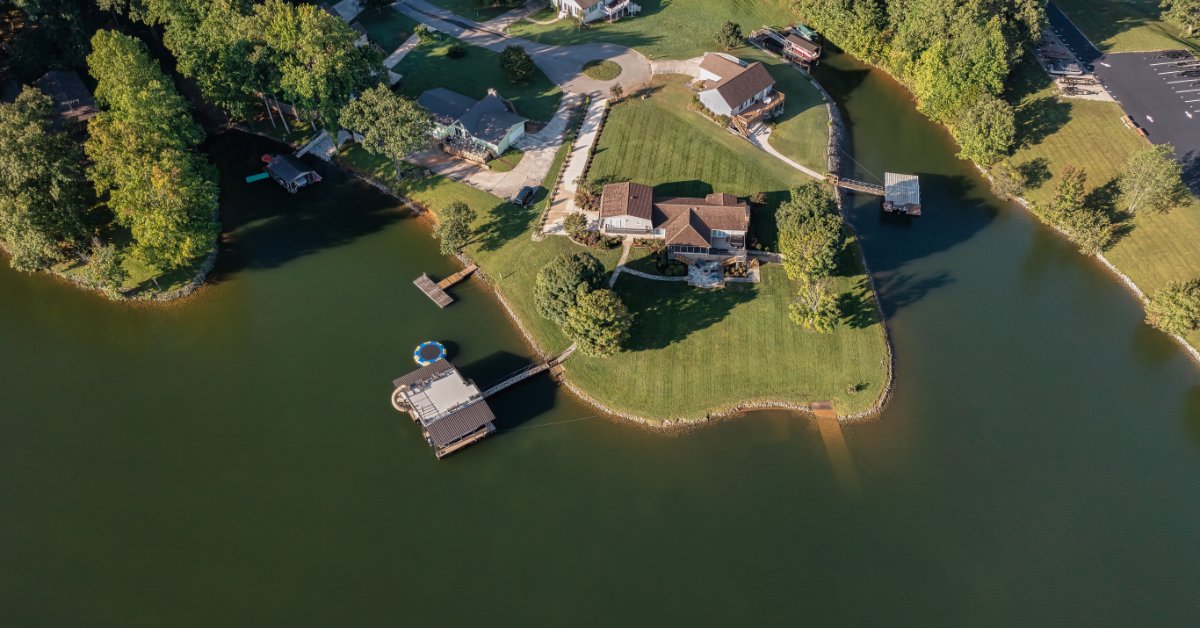
Even when a lake allows private docks, that permission may not extend to every property along its shoreline. Management plans and site-specific requirements can limit where owners may add structures, so buyers should investigate the individual parcel before treating dock access as one of its features.
A neighboring property with a dock does not establish what another homesite allows because the two lots may fall under different shoreline conditions or approvals. Property records and information from the governing authority can provide a clearer picture of whether the parcel supports private dock access.
Working with experienced waterfront real estate agents can also help buyers identify questions about shoreline use during the property search. When dock access influences your purchase decision, confirm the final answer through the appropriate authority and documentation tied directly to the parcel.
Consider the Type of Dock You Want
Once you establish that a parcel can support private dock access, shift the focus to how you actually intend to use the waterfront. Permission for a dock does not necessarily mean that every size or configuration will work at that location.
The difference matters because a buyer looking for a simple place to secure a small boat may have different site needs from someone planning a larger structure with a covered slip. Physical conditions along the waterfront can also influence whether a proposed dock works comfortably for the owner’s intended use.
Thinking through those needs while you compare properties keeps dock access connected to the larger buying decision. If boating represents an important part of the lakefront lifestyle you want, determine whether the property supports that experience before committing to it.
Verify an Existing Dock Before Relying on It
Properties with docks already in place require a different type of due diligence because the visible structure does not answer every question about its authorization. Buyers should request available records for the dock and determine what steps, if any, apply when ownership of the property changes.
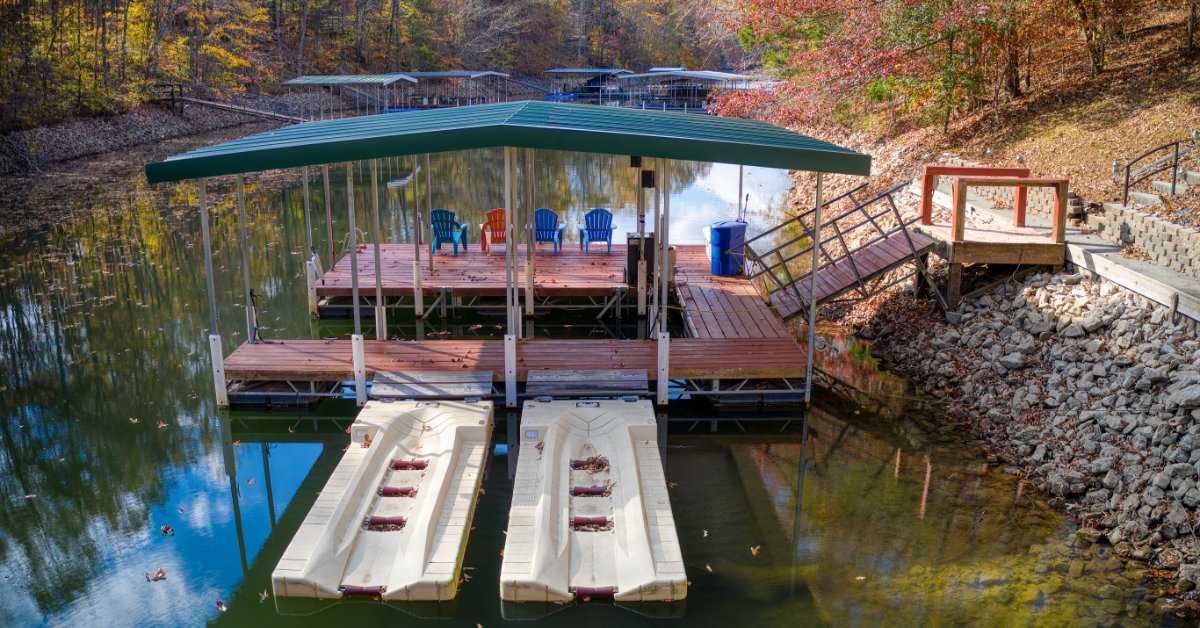
The same principle applies when a buyer hopes to alter the structure after purchasing the property. An existing dock may fit its current approval, while an expansion or substantial modification could require additional review under the rules that govern the lake.
Reviewing those details before closing gives you a more complete understanding of what comes with the property. When the existing dock contributes significantly to your interest in a homesite, its documentation deserves the same attention as other property records that affect your plans.
Make Dock Access Part of Your Buying Decision
Dock research becomes most useful while you still have the opportunity to compare one lakefront property with another. By working through ownership, governing authority, parcel eligibility, and your intended use in that order, you can narrow the search around properties that better match what you want from the water.
Before you rely on private dock access as part of a purchase decision, confirm:
- How the property relates to the adjoining shoreline
- Which authority handles dock approvals
- Whether the individual parcel qualifies
- Whether your intended dock fits the property
- What documentation supports an existing dock
Keeping official responses and property-specific records with your other due-diligence materials can also make the information easier to evaluate. That documentation provides a stronger basis for comparing homesites than listing language or assumptions drawn from nearby properties.
Find Waterfront Property That Fits Your Plans
Choosing a lakefront property starts with deciding how you want the water to fit into your life there. Some buyers care most about peaceful views and easy shoreline access, while others want the convenience of keeping a boat close to home.
Buyers wanting to build a private boat dock on any lake should resolve the question before private dock access becomes part of their expectations for a particular property. Starting with shoreline ownership and working through parcel-specific requirements can help you determine whether a homesite supports the waterfront experience you have in mind.
At Waterfront Group, we develop and offer properties in scenic destinations for buyers who want the surrounding landscape to become part of life at home. Explore our available properties and communities to find a waterfront setting that fits how you want to spend your time on the water.
Sources
U.S. Army Corps of Engineers, Little Rock District. “Shoreline Management.” Table Rock Lake. Accessed September 4, 2026. https://www.swl.usace.army.mil/Missions/Recreation/Lakes/Table-Rock-Lake/Shoreline-Management/.
Tennessee Valley Authority. “Section 26a Regulations.” Shoreline Construction Permits. Accessed September 4, 2026. https://www.tva.com/environment/shoreline-construction-permits/section-26a-regulations.