
Selling waterfront property involves decisions that go beyond setting an asking price, especially when buyers need to understand how the property relates to the water and what they can realistically do with it. An agent with waterfront selling experience can guide the listing process, but sellers still need to enter that process with a clear picture of the property and their goals.
For owners considering how to sell waterfront property through a real estate agent, the strongest starting point is determining whether an agent-led sale fits the property in the first place. From there, each decision should make the property easier for buyers to evaluate and move the transaction toward a well-informed sale.
Decide Whether an Agent-Led Sale Fits Your Goals
An agent-led sale can make sense when an owner wants broad market exposure and expects individual buyers to compare the property with other active listings. Existing waterfront homes and lots within established residential markets may fit that structure because agents can position them within a familiar buying process.
Before signing a listing agreement, owners should consider what they expect from the sale and whether broad market exposure supports those priorities. The property’s condition and likely buyer audience can influence how effectively a traditional listing will work, so defining those expectations first gives sellers a stronger basis for evaluating an agent’s proposed strategy.
Choose an Agent With Waterfront Selling Experience
Waterfront transactions can raise questions that aren’t the same concerns as conventional inland property, which makes relevant seller-side experience worth examining carefully. An agent who has represented waterfront owners should understand how local buyers evaluate shoreline relationships and comparable sales while recognizing when a question requires input from another professional.
Ask prospective agents how they prepared similar properties for market and how they handled buyer questions during previous transactions. Their answers should show more than an ability to market an attractive view because sellers need someone who can manage the practical details that influence buyer confidence throughout the process.
Build the Asking Price Around Comparable Market Evidence
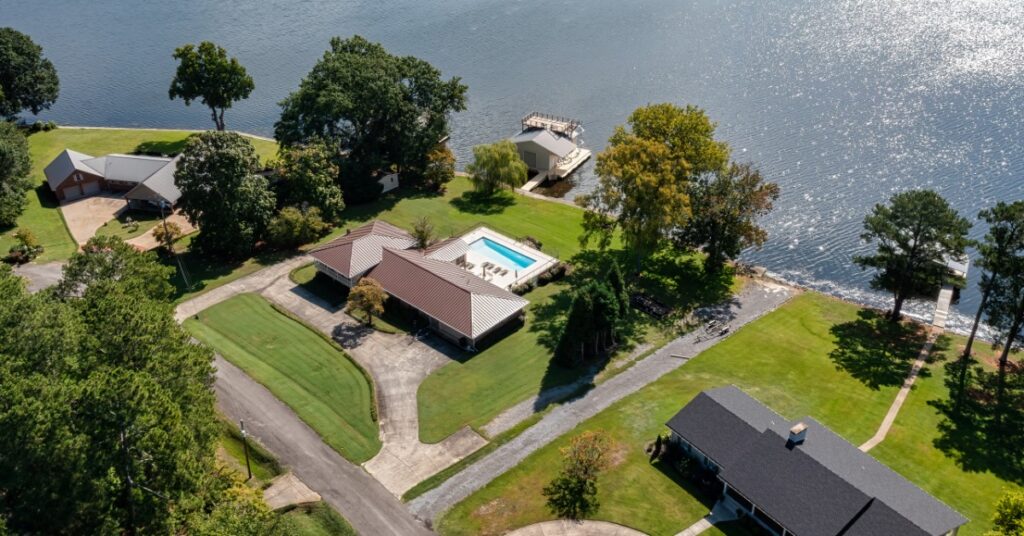
A waterfront setting can create strong initial interest, but sellers still need market evidence to support the asking price. An experienced agent can review recent transactions and identify properties that share meaningful characteristics with the subject property, especially location and a similar relationship to the water.
Pricing should account for the conditions buyers will examine after the listing attracts their attention. A property with straightforward access may appeal differently from land that requires additional site work, and the agent should explain how those distinctions affect comparisons. A realistic asking price allows the property to compete without asking for scenery alone to carry its value.
Gather Property Information Before Listing
Organizing existing property records before the listing goes live gives the agent a clearer foundation for answering early buyer questions. Sellers may already have surveys, permits, or information about existing improvements that clarify how the property relates to the shoreline and surrounding parcels.
When the existing documentation leaves a question unresolved, the agent should direct the seller toward the appropriate professional. A surveyor, attorney, local official, or another qualified specialist may need to confirm specific conditions based on the property and jurisdiction. Separating verified information from unresolved questions makes the listing easier for buyers to evaluate.
Make the Property Easier To Evaluate in Person
Online marketing creates the first impression, but serious buyers eventually need to understand how the property functions when they visit it. Sellers can make that visit more productive by keeping existing access routes passable and making known property features easier to locate when practical.
The goal does not require turning undeveloped acreage into a landscaped residential lot. Clear access and useful orientation simply allow buyers to spend more of the visit evaluating the property itself. For larger parcels, maps or aerial imagery can give buyers additional context before they walk areas that may take more time to reach.
Present the Waterfront Connection Accurately

Waterfront marketing should make the property’s relationship to the water clear without implying rights or features that the seller cannot document. Direct frontage creates a different ownership experience from community water access, and a water view does not carry the same meaning as property that reaches the shoreline.
Buyers may base early decisions on how they expect to use the water, so the agent should rely on confirmed information when describing access or existing improvements. Accurate presentation allows the property to stand on its actual strengths and reduces the chance that buyers develop expectations the transaction cannot support later.
Prepare for the Buyer’s Due-Diligence Process
Once a buyer becomes serious, the transaction moves beyond the seller’s existing records and into the buyer’s independent review. Depending on the property and the agreement, the buyer may investigate physical conditions or confirm whether the land supports the intended use. Sellers should understand which questions remain open and how the buyer’s review could affect the transaction timeline.
An experienced agent can coordinate communication without trying to answer matters outside of the brokerage relationship. When buyers need surveys, inspections, legal guidance, or local approvals, qualified professionals should handle those reviews while the agent keeps information moving between the parties. Preparing for that stage gives sellers a clearer picture of what may happen between accepting an offer and reaching a closing.
Compare Offers by More Than the Purchase Price
The highest offer does not automatically create the strongest transaction because contract terms can change the likelihood or timing of a successful closing. Financing conditions and due-diligence periods may affect the seller differently, while the proposed closing date can influence whether an agreement fits the owner’s plans.
Sellers should decide which terms matter most before multiple offers create pressure to make a quick choice. An owner who prioritizes a predictable closing may evaluate an offer differently from someone who has more flexibility. Clear priorities allow the seller and agent to compare the entire agreement instead of concentrating only on the headline number.
Consider Direct Acquisition When the Property Calls for Another Route
Traditional representation gives sellers one path to the market, but undeveloped waterfront acreage or land with development potential may suit a different process. Owners who do not need a public listing campaign may choose to speak directly with a company that evaluates land acquisition and future development.
These companies approach these transactions from the acquisition and development side of real estate, which creates a different relationship from that of a listing agent. Owners considering land acquisition services can discuss the property directly to determine whether it aligns with the land you are seeking. That conversation gives sellers another option before they commit to a sales route that may not fit the property.
Choose a Sales Process That Fits the Property
A clear strategy for selling waterfront property through a real estate agent starts with deciding whether traditional representation fits the property and the seller’s goals. From there, accurate information and thoughtful preparation give buyers a clearer basis for evaluating the opportunity.
Some waterfront properties fit the traditional market well, while others may make more sense as direct acquisition opportunities. Waterfront Group acquires and develops land that may fit future communities or property offerings. If you own waterfront land and want to consider a direct sale, contact our team to discuss whether the property may align with our acquisition plans.