
A mountain property can look compelling in a listing, yet requires far more investment than expected once a buyer plans for construction or long-term use. Location determines how much work must happen before the land becomes usable, and that directly affects both cost and resale potential. Buyers who approach location as a strategic factor from the start can control these variables and position their property for stronger long-term value.
The impact of location on mountain property value becomes clear when buyers evaluate how the land supports development and future demand, rather than reacting to challenges later. That shift allows location to work as an advantage instead of a constraint.
How Buyers Can Use Location To Strengthen Their Investment
Before selecting a property, buyers can evaluate the location with a clear strategy that supports both development and long-term value:
- Review terrain early to estimate site preparation needs and avoid unexpected construction costs
- Confirm road access to ensure the property supports building logistics and future resale appeal
- Check utility proximity to understand total project cost beyond the purchase price
- Evaluate distance to services to balance privacy with everyday practicality
- Assess surrounding demand to identify locations that continue to attract buyers over time
Buyers who approach a location with this level of clarity can make more confident decisions and position their property for stronger performance from the start.
Terrain Sets the Starting Point for Cost
Terrain determines how efficiently builders can develop a property, making it one of the most important factors in controlling total investment. A steep slope forces crews to move earth before construction can begin, which increases both labor and equipment requirements. Even moderate elevation changes can complicate drainage or foundation work, which introduces additional planning and expenses that may not be obvious during an initial visit.
Buyers who evaluate terrain early can identify properties that support a more predictable build process, allowing them to manage costs with greater precision and avoid unnecessary complexity as development moves forward.
Access Determines Whether Development Stays Manageable
Reliable access allows a property to move from purchase to construction without unnecessary delays, which directly improves both efficiency and long-term appeal. A property that connects directly to a reliable road allows construction to move forward without interruption, while a parcel that lacks clear access creates immediate complications.
Construction timelines often depend on how easily crews and materials can reach the site, which makes access a practical consideration from the beginning. A property that supports consistent entry allows work to progress without interruption, which can reduce both time and cost during development.
Buyers who prioritize access from the start position their property to appeal to a broader range of future buyers, since ease of entry remains one of the most practical factors in resale decisions.
Utility Distance Expands the True Purchase Price

A property located near existing utility lines allows development to proceed with fewer unknowns, while a more remote parcel requires additional coordination before construction can begin. Utility access plays a central role in shaping total investment because it determines how quickly a property can support development.
Extending power or securing water access often involves coordination with local providers, additional permitting, and longer timelines that can affect the project schedule. These requirements may not be obvious at first, but they become central once development begins.
Buyers who factor in utility proximity early can align their purchase with both budget and timeline, while also increasing the property’s appeal to future buyers who value ready-to-build conditions.
Distance From Towns Shapes Market Appeal
Proximity to nearby towns influences how flexible and marketable a property becomes. A property that sits within reach of basic services supports a wider range of buyers, since it allows for more flexible use. When a location requires extended travel for routine needs, fewer buyers will consider it practical.
Buyers who balance privacy with accessibility can position their property to meet both lifestyle goals and market expectations, which strengthens resale potential and supports long-term value.
Isolation Narrows the Buyer Pool
Seclusion can increase a property’s appeal when it aligns with what buyers expect from a mountain setting. Some buyers actively seek privacy, which can make certain locations feel more desirable within that segment.
Buyers who evaluate how isolation fits within the broader market can choose properties that offer privacy without limiting demand. That balance helps maintain stronger resale potential while still delivering the experience they want.
Daily Logistics Influence Long-Term Demand
Owners face more planning when a location complicates routine tasks, which changes how they use the property. When obtaining basic supplies requires extended travel, many buyers will adjust their expectations or look elsewhere.
That shift in behavior feeds directly into demand, since future buyers evaluate the same limitations when deciding whether the property fits their needs. As fewer buyers view the location as practical, pricing flexibility decreases, and selling timelines extend.
Site Positioning Changes Development Feasibility
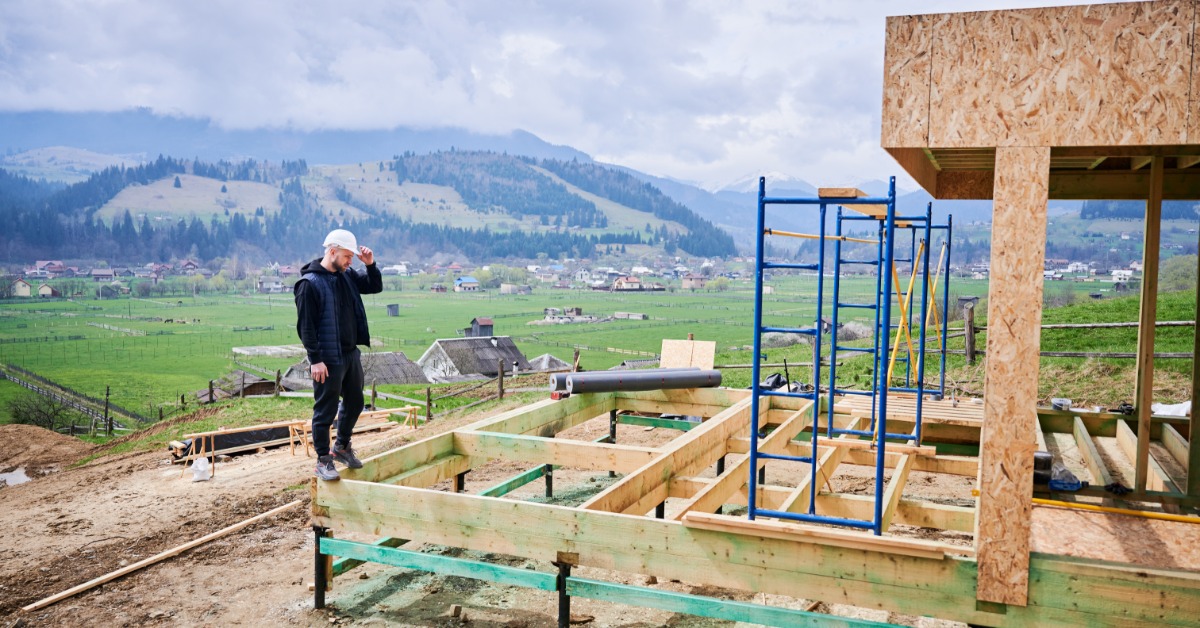
The way a property sits on the land influences how easily it can support construction, even within the same general location. A site that allows for straightforward placement reduces the need for additional engineering, while a constrained layout introduces challenges.
Buyers who evaluate site positioning carefully can reduce development complexity and maintain better control over cost, which strengthens both usability and long-term value.
Market Strength Reflects Location
Strong locations continue to attract buyers over time, which supports consistent pricing and more predictable resale outcomes. Buyers pay closer attention to areas that show consistent activity, since those patterns suggest the location supports long-term interest.
Buyers who focus on locations with sustained demand can position their property to perform more reliably, even as market conditions change.
Financing and Appraisal Constraints Affect Value
Location also influences how lenders and appraisers evaluate a property, which can affect how easily a transaction moves forward. A property that sits in a difficult-to-access area or lacks nearby comparable sales can create challenges during appraisal.
Buyers who understand how location affects financing can prepare for lender requirements early, which protects both the transaction process and long-term resale flexibility.
A Clearer Way To Evaluate Mountain Property Value
Mountain property value reflects how location shapes cost, access, and long-term demand once the property moves beyond its initial presentation. Buyers who examine these factors directly gain a clearer understanding of how location impacts mountain property value and how those conditions will influence future resale.
Buyers who treat location as a tool for creating value can make more confident decisions and build toward stronger long-term outcomes.
For those buying properties from a real estate company, Waterfront Group focuses on properties where location supports both development and market demand. By preparing parcels with access and usability in mind, Waterfront Group helps buyers start from a position of strength and move forward with greater clarity.