Selling raw land can feel uncertain when there’s no clear indication of how quickly a buyer might come along. Unlike an existing home, undeveloped acreage requires prospective purchasers to consider what they could do with the property. Finding someone whose plans align with the land may require patience.
If you’re wondering how long it usually takes to sell raw land, the answer depends on the property and how you approach the sale. Some owners find interested buyers within a few months, while others face a much longer search. Understanding the factors involved can help you set realistic expectations and explore alternatives to a traditional listing.
How Long Can a Raw Land Sale Take?
A raw land sale may take several months or longer, depending on local demand and the property’s characteristics. There’s no reliable universal average that applies to every parcel, particularly when comparing small residential lots with large tracts of undeveloped acreage. A desirable location might attract attention quickly, while a property with limited access could require a longer search.
After accepting an offer, sellers must account for the time needed to complete property investigations and meet closing requirements. Buyers who need financing or additional evaluations may take longer to complete the transaction.
Why Some Raw Land Properties Sell Faster Than Others
Raw land near growing communities or popular recreational destinations may attract interest from buyers seeking a future homesite or investment opportunity. These locations often appeal to a broader range of purchasers, while more remote properties may take longer to sell because fewer buyers are searching for land in those areas.
Depending on the acreage and its potential uses, a property may appeal to individual buyers or developers with larger projects in mind. Smaller lots can attract those planning to build a home, while larger tracts may interest developers seeking land for residential communities. Recognizing which buyers are most likely to consider a property can give sellers a clearer understanding of local demand.
Beyond location and acreage, the property’s physical characteristics can affect how readily buyers move forward with a purchase. Established road access and relatively level terrain may make land easier to evaluate for future construction. Properties with steep slopes, wetlands, or uncertain access rights may require additional investigation before a buyer feels comfortable making an offer.
How Asking Price Affects the Selling Timeline
Setting a realistic asking price can attract serious interest, but determining land value isn’t always straightforward. Undeveloped properties frequently differ in ways that make direct comparisons difficult, even when they’re located near one another. A parcel with established access and suitable building areas may command a different price from neighboring acreage requiring extensive site work.
Sellers who focus exclusively on acreage risk overlooking characteristics that prospective buyers will evaluate. An asking price that doesn’t reflect the property’s condition or development potential can leave it on the market without meaningful offers. Reviewing comparable completed sales and seeking an informed valuation can help owners establish expectations grounded in local conditions.
Price also matters when evaluating offers from prospective buyers. A higher offer may seem appealing, but financing uncertainty or extensive purchase conditions could delay the transaction. Considering the proposed price alongside the buyer’s ability to complete the purchase can help sellers make a more informed decision.
What Can Delay a Raw Land Sale After an Offer?
Once a buyer expresses serious interest, the transaction enters a different stage. The purchase agreement may provide time to investigate whether the property meets the buyer’s intended purpose.
Common areas of investigation include:
- Title and ownership: Are there recorded liens or restrictions?
- Legal access: Does the parcel have documented road access?
- Property boundaries: Are existing surveys sufficient?
- Land use: Does zoning permit the intended project?
- Site conditions: Are additional environmental evaluations necessary?
If an investigation reveals a problem, the buyer may request more time or reconsider the purchase. These delays can be frustrating for owners who believed they were close to completing a sale, particularly after months of searching for a buyer.
Selling Raw Land Through a Traditional Listing
For owners who list their land publicly, the selling timeline depends partly on reaching an appropriate audience. A residential real estate listing may attract attention, but not every interested person will have the resources or plans necessary to purchase undeveloped acreage.
Without an existing home to demonstrate how the space functions, buyers must evaluate the terrain and envision future improvements. Some may need to consult builders or other professionals before making an offer.
Could Selling Directly to a Land Acquisition Company Be Faster?
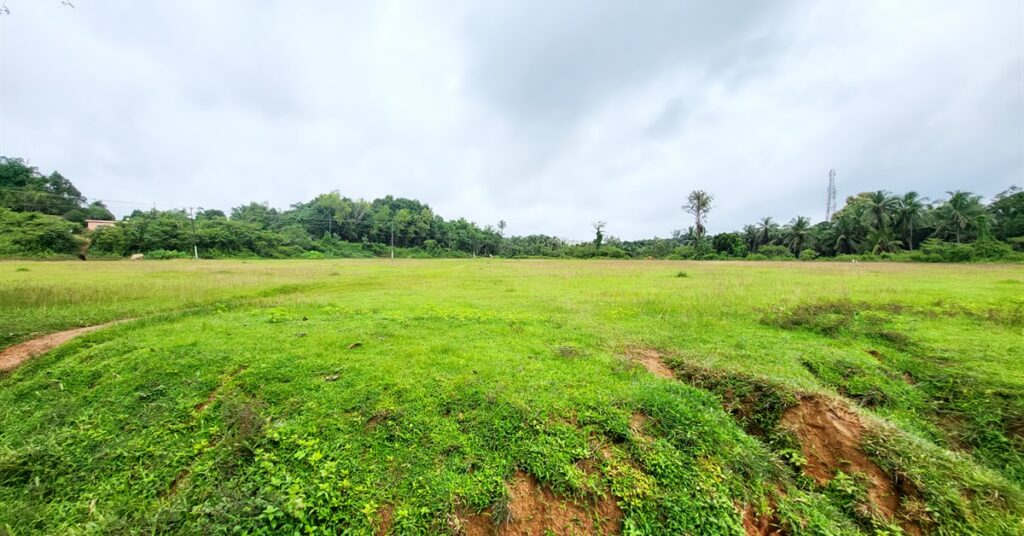
Landowners considering alternatives to a traditional listing may find that selling directly to a development company offers a more focused approach. This option can be particularly relevant for owners of larger undeveloped properties that may align with a company’s acquisition goals.
Companies pursuing land acquisition for development evaluate properties based on their project requirements. When a parcel meets those criteria, the owner can discuss a potential sale directly with an interested purchaser rather than waiting for a buyer through a traditional listing.
Although this approach may reduce the time spent searching for a buyer, it doesn’t guarantee a faster closing. Development companies still conduct property evaluations before moving forward, and not every parcel will qualify. An initial conversation can clarify whether the property presents a suitable acquisition opportunity.
How To Prepare for a More Efficient Land Sale
Property owners can make the evaluation process easier by organizing relevant information before approaching prospective buyers. Existing surveys, title documents, and records of easements or previous site assessments can help answer preliminary questions about the property. Gathering these materials in advance may reduce unnecessary delays without requiring sellers to commission additional investigations.
Preparing the property for an initial visit can also help prospective buyers evaluate its condition and potential. Clearing existing access points of minor obstructions and identifying property boundaries where possible can make the land easier to examine. Any preparation should respect the property’s natural features and applicable land-use restrictions.
Before discussing a potential sale, owners should also consider their preferred closing timeline. Someone who needs to sell by a particular date may evaluate offers differently from a seller with greater flexibility. Communicating those expectations early can help both parties determine whether their timelines align.
Finding the Right Path for Your Raw Land Sale
Knowing how long it usually takes to sell raw land allows you to approach the process with realistic expectations. The time needed to attract a qualified buyer and complete the transaction will vary with the property’s circumstances. Exploring your options early can provide a clearer path toward a successful sale.
At Waterfront Group, we acquire land for development and welcome opportunities to evaluate properties that align with our projects. If you’re considering selling undeveloped acreage, contact our team to discuss your property and learn more about our land acquisition process. We’ll review your property’s potential and determine whether it aligns with our development plans.