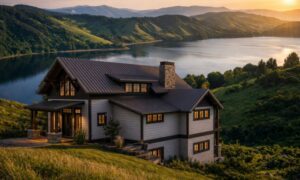
Buying a mountain home can bring more privacy and time outdoors, but the setting should not distract from the house itself. Existing homes in mountain areas can carry ownership responsibilities that differ from those of a typical suburban property, especially when elevation or private infrastructure affects everyday use after the purchase. Buyers who look closely before closing can separate an appealing retreat from a home that may demand more attention than expected.
For anyone weighing what to consider before buying a home in the mountains, the strongest approach is to evaluate your intended use, then work through the home condition and the responsibilities that will follow you into ownership.
Start With How You Plan To Use the Home
How you expect to use the property should shape the rest of your due diligence. A buyer planning occasional weekends may care most about security between visits and a house that requires limited oversight, while someone staying for months at a time may place greater weight on everyday comfort and nearby services.
Seasonal plans can change the importance of specific home features as well. If winter stays are part of the picture, heating performance and reliable access deserve more attention before you commit. Defining your likely routine first gives you a practical standard for judging every feature that follows.
Inspect the Structure With the Mountain Setting in Mind
A mountain setting can place unique demands on an existing home, so the inspection should look closely at the parts of the structure that carry those demands. Buyers should ask an inspector to evaluate the foundation, retaining walls, elevated decks, and other structural elements that support the home on sloped or uneven ground.
The goal is not to assume that a hillside home has problems, but to understand the condition of the structure and whether any repair or monitoring needs fit your expectations before you buy.
Look Closely at the Roof and Water Management
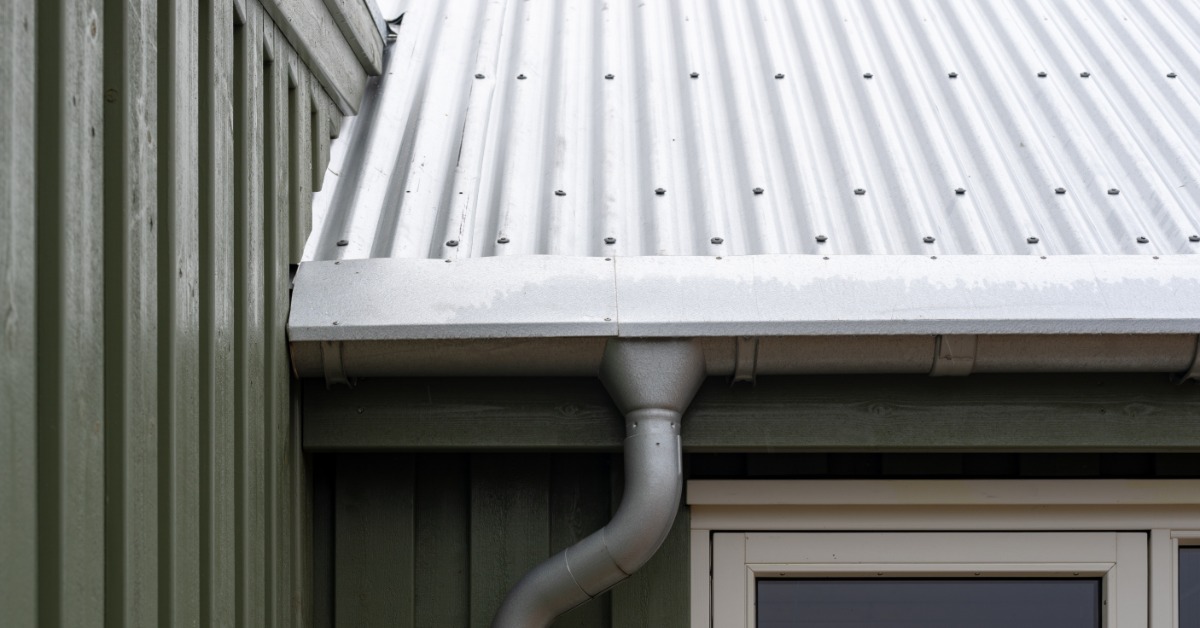
Mountain weather can expose a home’s exterior to moisture, debris, and repeated runoff, which makes the roof and drainage system worth a focused review. Buyers can ask about roof age and inspect how gutters and downspouts move water away from the house.
The ground around the house can show whether that drainage strategy works as intended. Erosion, persistently damp areas, or water collecting near exterior features may justify closer inspection before closing. Reviewing how the property manages water keeps this part of the evaluation focused on future maintenance and the condition of the home.
Verify the Home’s Essential Systems
Homes outside municipal service areas may rely on private water or wastewater systems, so buyers should confirm what serves the property and review available maintenance records. If the home uses a well or septic system, arrange the appropriate inspections or testing before relying on those systems as part of the purchase decision.
Heating deserves separate attention when the home will see cold-weather use. Reviewing the system’s age and service history can clarify what the house may require after closing, while buyers should evaluate any backup power or heat source separately for condition and capacity.
Review Road and Driveway Responsibilities
Access affects ownership even when the house sits close to a town. Buyers should determine whether the driveway and connecting roads are public or private, then confirm who handles maintenance when private ownership or a shared agreement applies.
Searches for buying properties from real estate management may surface professionally developed communities, but buyers still need to verify the responsibilities attached to the specific property. Steep grades or unpaved surfaces can require recurring attention, and shared roads may come with agreements that deserve review before closing.
Calculate the Ongoing Maintenance Workload
Mountain surroundings can increase the upkeep a home requires because trees and exposed exterior surfaces demand more regular attention. Reviewing the current owner’s maintenance history can show what the property has required in recent years and where future attention may be necessary. Buyers can then compare that workload with the amount of time they expect to spend at the home.
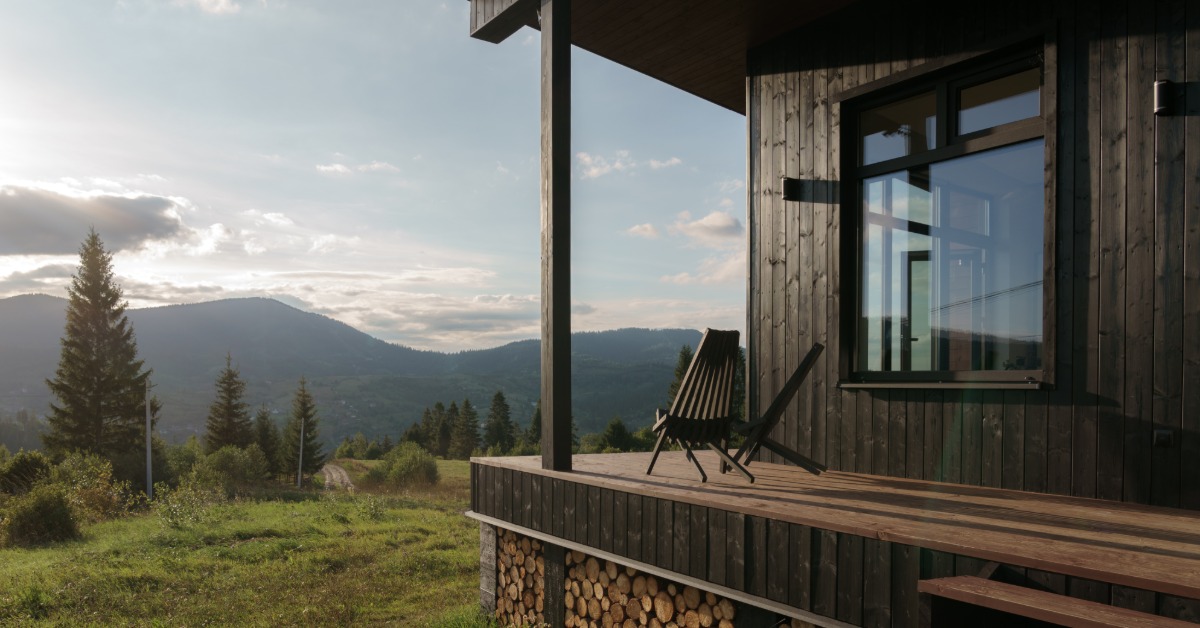
Second-home buyers should consider who will handle that work when they are away. Access to dependable local service providers can make ownership easier to manage, especially when a repair cannot wait until the next visit.
Review Insurance and Recurring Ownership Costs
Buyers should request insurance information early enough to understand available coverage and expected premiums before they become deeply committed to the transaction. An insurance professional can explain whether the home location or construction changes the coverage available for that specific property.
Private-road fees, association charges, or other recurring obligations should enter the same budget when they apply. Looking at these costs together gives buyers a clearer picture of the property’s ongoing financial demands without confusing purchase price with the cost of ownership.
Confirm Community Rules Match Your Plans
A home may fit your needs physically while community rules limit how you intend to use it. Buyers should review association documents and applicable local requirements if they plan an addition, regular guest use, or another activity that could face restrictions.
Rental plans deserve particular care because rules can change and may differ by community or jurisdiction. Confirm current requirements with the appropriate source before treating rental income or flexible occupancy as part of the purchase rationale. Buyers planning exterior changes should also learn whether an association requires architectural review before work begins.
Buy With the Responsibilities as Clearly as the View
The most useful way to think about what to consider before buying a home in the mountains is to connect the property’s appeal with what ownership will require. A strong view may draw you in, but the home’s structure, systems, access responsibilities, and recurring costs determine whether the property fits the way you plan to use it. Reviewing those factors in a logical sequence gives you a clearer basis for deciding whether the home feels manageable as well as desirable. The result is a purchase decision grounded in how the property will function after the excitement of the initial showing has passed.
Waterfront Group develops and sells homesites in scenic destinations for buyers planning second homes and mountain retreats. If your plans include building a mountain home, explore our available properties and communities to find a setting that supports the way you want to use the property while giving you a clear starting point for what comes next.