For many buyers, waterfront property starts as a vision before it becomes a search. You may picture a quiet morning by the lake, a future homesite for family gatherings, or a retreat that feels removed from everyday life. However, you won’t get to experience the entirety of what you’re imagining within the timeline of the purchasing process.
Timing can shape what that experience actually tells you, determining everything from available properties to how clearly you can evaluate the land. Understanding the best times of year to buy waterfront property can help you avoid reacting to the market around you and instead see the bigger picture of each opportunity.
Why Timing Matters When Buying Waterfront Property
Waterfront real estate is shaped by more than price and location. Seasonal conditions can affect visibility, access, competition, and the way a property feels during a visit. A wooded homesite near a lake may show differently in January than it does in July.
That seasonal shift matters because buyers are evaluating more than just the land. They are imagining future routines, family use, and how the setting fits the life they want to build. Smart timing gives buyers a better chance to see those details clearly.
Late Winter Can Reward Prepared Buyers
Late winter is often overlooked, but it can be useful for serious buyers ready to evaluate options thoughtfully. The market may feel quieter, creating space for focused conversations.
During this time, the land is often easier to read. With less foliage, buyers may get a clearer sense of slope, shoreline shape, road access, neighboring properties, and long-range views. These details are helpful with wooded waterfront land where vegetation changes the experience.
Spring Offers Momentum Without the Full Summer Rush
Spring is one of the most appealing times to search for waterfront property. As the weather improves, properties begin to show more of their natural character. Shorelines become more inviting, and trees fill in, making it easier to imagine using these outdoor spaces.
This season can be especially helpful for buyers who want a more balanced view of a property’s potential. There may be more activity in the area than in winter, but the pace may still feel more manageable than the full swing of summer. That balance gives you room to compare options and think carefully.
Spring also helps buyers evaluate how a property transitions into outdoor living. When touring, pay attention to details that may shape long-term enjoyment. Be sure to:
- Look at how easily you can reach the water, driveway, or buildable areas
- Notice whether the property feels private while still being convenient
- Ask how seasonal conditions may change views, access, or maintenance needs
These observations can help you make a more grounded decision before competition intensifies.
Summer Helps Buyers Experience the Lifestyle Firsthand
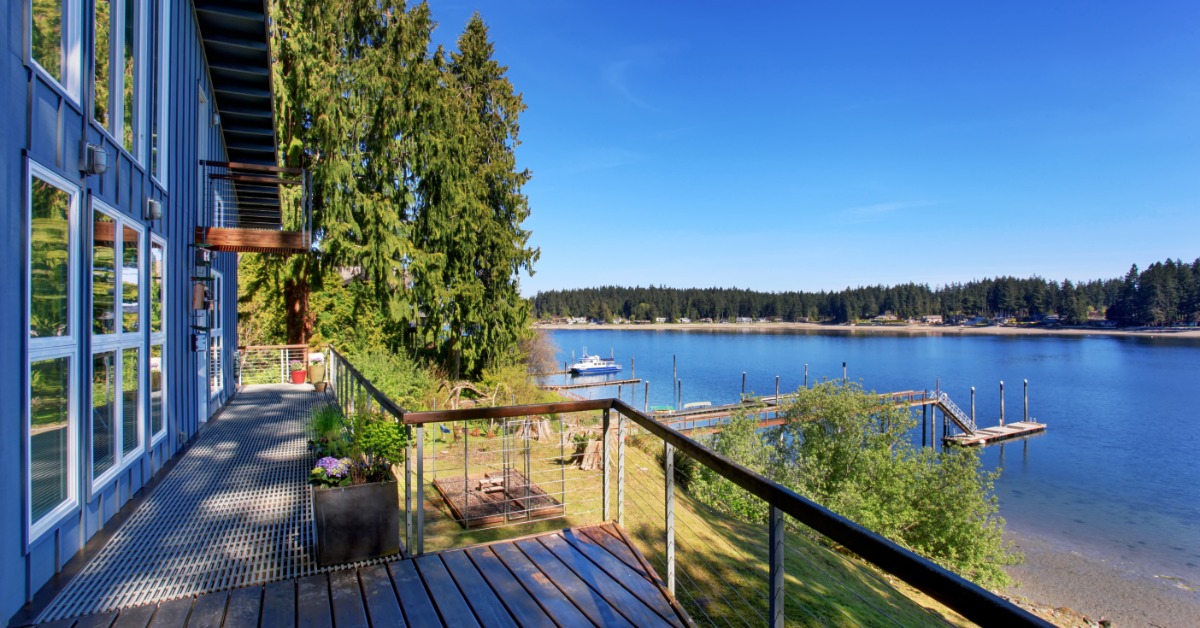
Summer is often when waterfront living feels most vivid. Boats are on the water, families are outside more often, and recreation is more visible than at any other time. For lifestyle-minded buyers, this can be a powerful time to tour.
Seeing a property in summer helps you understand how well it lends itself to an active, outgoing lifestyle. You can evaluate lake activity, traffic patterns, community energy, and comfort during warmer weather. Those details can be determining factors for a second home, seasonal gathering place, or future retirement retreat.
The challenge is that summer can bring more competition. Buyers may feel more urgency because the lifestyle is easy to see and desire. If you plan to search during this season, it helps to know your priorities before you begin.
Early Fall Can Be a Smart Window for Perspective
Like spring, early fall often gives buyers a useful combination of beauty and perspective. The weather remains comfortable in many waterfront and mountain regions, but the pace can shift as summer travel slows down. That change can make the evaluation process feel more practical and calm.
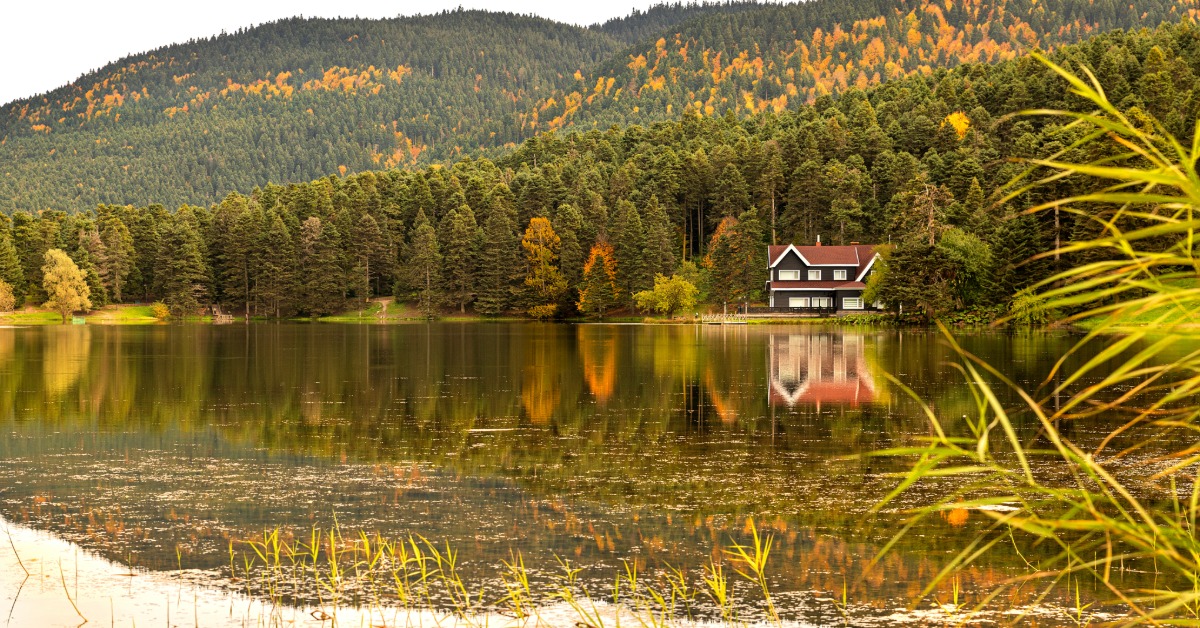
In scenic destinations, fall can reveal a different kind of value. Near the Blue Ridge Mountains, Appalachian foothills, or lake communities in the Southeast, autumn puts the surrounding landscapes on full display for buyers.
At the same time, fall encourages buyers to think beyond peak-season use. The best waterfront property is not only enjoyable on holiday weekends in the middle of the year. It should feel meaningful throughout—and the way a region shifts from fall into the start of winter is valuable to know.
Late Fall and Early Winter May Create Room for Deliberate Decisions
Between the tail-end of fall and early winter can be an excellent time to evaluate waterfront property, particularly for buyers who enjoy outdoor recreation beyond the summer months. Boating and swimming may slow down, but that can help you get a more objective view of what a region’s waterways are like. Additionally, many properties reveal a different kind of appeal during this season.
For hunters, anglers, and outdoor enthusiasts, this time of year often coincides with some of the most anticipated recreational opportunities. Waterfowl seasons, deer hunting, winter fishing, and wildlife activity can give buyers a more complete picture of how they might enjoy the property throughout the year. In many waterfront and mountain regions, the landscape also takes on a distinctive beauty, with crisp air, long-range views, and quieter surroundings.
There is also a practical advantage. Some buyers start to step back from the market during this time of year, creating opportunities for committed buyers to evaluate properties at a more deliberate pace. With fewer distractions and a clearer view of how the land functions across multiple seasons, buyers can make decisions based on long-term fit rather than seasonal excitement alone.
The Best Season Depends on How You Plan To Use the Property
The best buying season is not only about the market. It is about your intended use. Your goals can help you decide where to focus:
- Choose spring or summer if you want to experience waterfront recreation, community activity, and peak-season energy firsthand.
- Explore early fall if you want comfortable weather, beautiful scenery, and a balanced pace that sits between the busiest and quietest parts of the year.
- Consider late fall or early winter if hunting opportunities, seasonal traditions, wildlife activity, and year-round usability are important factors in your decision.
- Look closely at late winter if you want a clearer view of terrain, shoreline features, access points, and other property fundamentals before spring growth returns.
What To Evaluate No Matter the Season
Every season has advantages, but certain questions matter year-round. Buyers should look at access, shoreline usability, property layout, nearby services, development quality, and how the setting supports daily enjoyment. Waterfront property should feel inspiring, but it also needs to make practical sense.
This is where experience becomes valuable. Waterfront Group works with buyers seeking scenic homesites and lifestyle-driven properties, with an approach that emphasizes thoughtful development and long-term relationships. That support can help buyers look beyond first impressions.
A beautiful view may draw you in, but the right buying decision comes from understanding the whole picture.
Choosing the Right Moment To Move Forward
The best times of year to buy waterfront property depend on what you hope ownership will bring into your life. If you are ready to buy waterfront property, we can help you evaluate available opportunities and navigate the process with services designed to make ownership feel more approachable. Reach out to Waterfront Group to explore properties that align with your goals, your timeline, and the way you want to spend time by the water.