Summer can take on a different rhythm when it unfolds in a place you return to instead of one you briefly visit. In that context, benefits of owning a mountain home for summer escapes become less about a single season and more about how time is spent across it. Ownership introduces a sense of control that short-term travel rarely provides.
Instead of planning around availability, schedules, or changing accommodations, a mountain home creates a setting that is ready when you are. Days can extend naturally, routines can settle in, and the surrounding landscape becomes part of a longer, more consistent pattern instead of a passing experience.
A Different Kind of Summer Environment
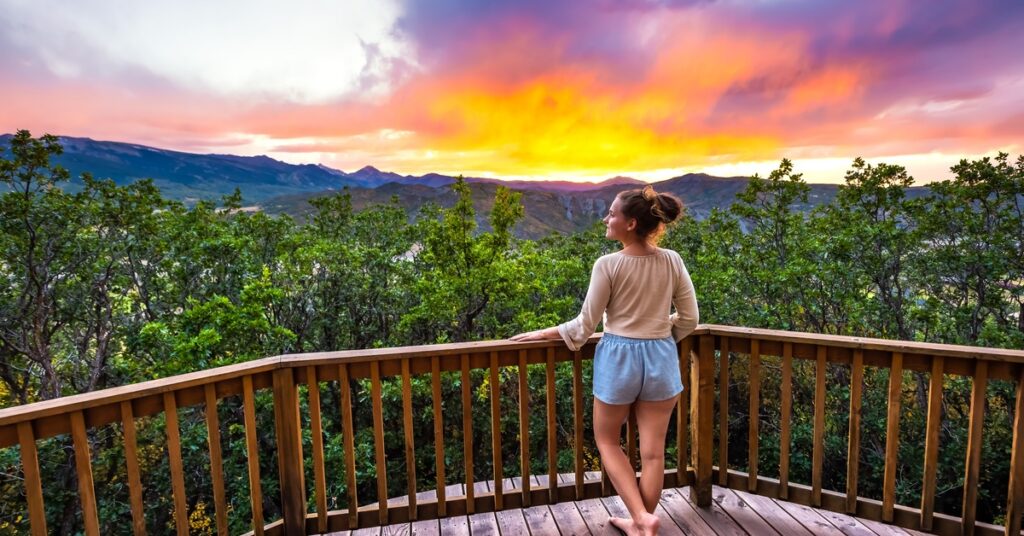
Higher elevations reshape how summer feels, and ownership allows that difference to become part of a steady routine instead of an occasional change of pace. Mornings tend to start cooler, afternoons remain more manageable, and evenings encourage time outside without the pressure to retreat indoors.
Instead of adjusting plans around heat or crowds, homeowners can rely on a more stable environment that supports longer outdoor use and a more comfortable flow from one part of the day to the next.
Time Becomes More Flexible
Owning a mountain home gives you unrestricted access, so you can spend summer time beyond short trips or fixed reservations. A weekend can easily extend into several days, and longer stays become possible without the need to coordinate repeated bookings. When a property is always available, decisions become simpler, and time in the mountains can expand or contract based on real-life needs.
Remote Work and Extended Stays
For those working remotely, a mountain home can support a more integrated schedule. Workdays may unfold with a view of the landscape, while breaks and evenings remain connected to the same setting, creating continuity instead of separation between responsibilities and leisure. Over the course of a season, that continuity can change how you spend your summer, turning a short visit into a more sustained stay.
Familiarity Changes the Experience
Returning to the same place throughout the summer creates a level of familiarity that cannot be replicated through new destinations. Homeowners begin to understand the property and its surroundings in a more detailed way, from how light moves across the landscape to how different times of day feel in specific areas.
This familiarity reduces friction. There is no need to reorient with each visit, and the focus can remain on using the property. That shift supports a more relaxed and predictable experience, which can be especially valuable for those seeking consistency in how they spend their time away.
Privacy and Space Support Daily Use
A privately owned mountain home offers a level of control that extends beyond location. You can use the space freely and shape the environment around your personal preferences.
Unlike shared or short-term accommodations, ownership allows each part of the property to function as intended without compromise. Outdoor areas all remain accessible at any time, which supports both active use and quieter moments throughout the day.
Recreation Becomes Part of Routine
Owning the property allows you to incorporate outdoor access into your daily routine, especially when you use it consistently throughout the summer. Instead of planning specific outings, activities can develop more organically based on time, weather, and personal preference.
Whether that involves time near the water, exploring nearby trails, or simply spending extended periods outside, the key difference lies in how these activities fit into a broader rhythm. They become part of your day, strengthening how you use and engage with the property.
Regional Access and Local Connection
Properties located near established mountain regions, such as the Blue Ridge Mountains, often provide proximity to towns, lakes, and seasonal events. Homeowners may develop a connection to these nearby areas, returning to familiar places and participating in local traditions. This ongoing interaction adds depth to ownership, as the property becomes linked to the landscape and the surrounding community as well.
Long-Term Use Shapes Value
While a mountain home may begin as a seasonal retreat, ownership allows its role to evolve. What starts as a summer-focused property can gradually support additional uses, from extended seasonal stays to broader lifestyle planning.
This adaptability contributes to long-term value in financial terms and how the property fits into changing needs. As priorities shift, the property remains a consistent asset that can support different phases of use without requiring a complete reset.

Rental Potential Without Primary Focus
Some owners consider short-term rental opportunities as part of their approach, particularly in areas that attract steady seasonal interest. A well-located mountain home may appeal to travelers during peak periods, creating the option for supplemental use.
However, ownership does not need to depend on rental performance. Many buyers prioritize personal use first, with any additional income viewed as a secondary benefit instead of a defining feature of the property.
Choosing a Property That Fits Summer Living
Selecting the right mountain home involves looking beyond general appeal and focusing on how the property will function during extended summer use. Factors, such as access and proximity to surrounding features, all influence how comfortably the property can support daily routines.
For buyers planning to buy waterfront property, they may evaluate how the property frames its views, connects to the water, and supports both active and quiet use. The goal is to align the physical characteristics of the land with the way time will actually be spent there.
Ownership That Extends Beyond the Season
A mountain home used during the summer often becomes more than a seasonal destination. It can support a broader pattern of use that reflects changing schedules and long-term plans. This extends what defines the benefits of owning a mountain home for summer escapes. Ownership creates consistency, flexibility, and a sense of familiarity that builds with repeated use.
For those exploring waterfront properties, Waterfront Group offers access to properties designed to support this kind of lifestyle. By focusing on locations that combine natural setting with long-term usability, the process becomes less about finding a temporary retreat and more about establishing a place that continues to serve you well beyond a single season.